;Resize=(828,828) "A century and more of keeping business moving.")

A century and more of keeping business moving.
For 130 years, Mercedes-Benz Vans has supported the people and businesses that keep the world moving. In Australia, that means paramedics and couriers, tradespeople and small business owners. Generations of customers have relied on our vans to deliver on one enduring promise: be there when it matters.
Vans the world depend on.
A paramedic heading towards an emergency. A courier sorting the day's deliveries. A tradesperson loading the tools needed to keep their business moving. Different jobs, different destinations, all relying on one thing, a vehicle they can depend on.
For 130 years, Mercedes-Benz Vans has been built around that idea. When people can rely on their vehicle, they can focus on the work that matters.
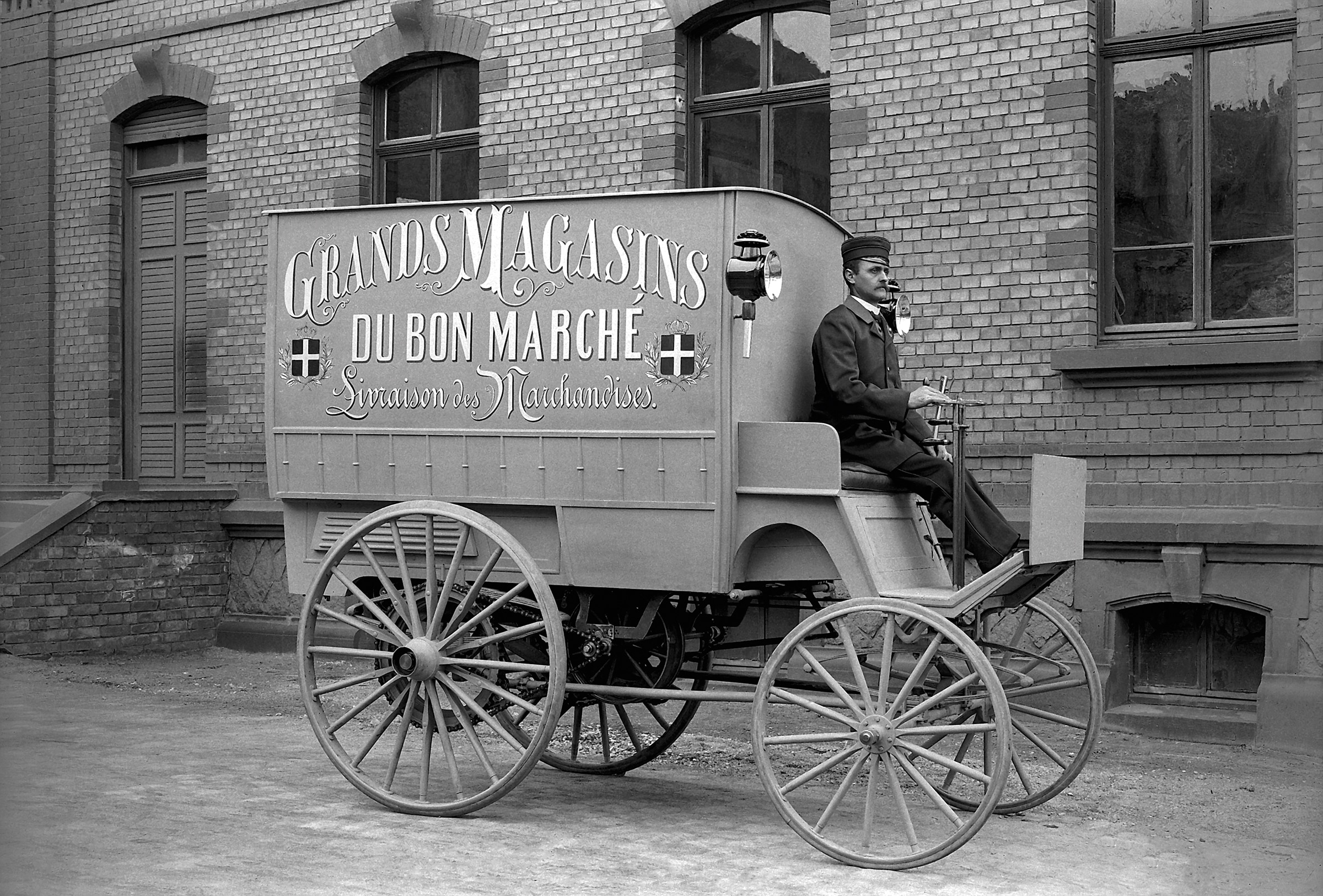
That story began in 1896, when Carl Benz introduced the world's first motorised delivery vehicle, the “Combination Delivery Vehicle”. At a time when horses and carts still carried goods through city streets, it offered businesses a faster, more reliable way to transport people and cargo. More than the beginning of Mercedes-Benz Vans, it marked an important step in the development of the van as we know it today.
;Resize=(600,450) "The vans the world depends on.")
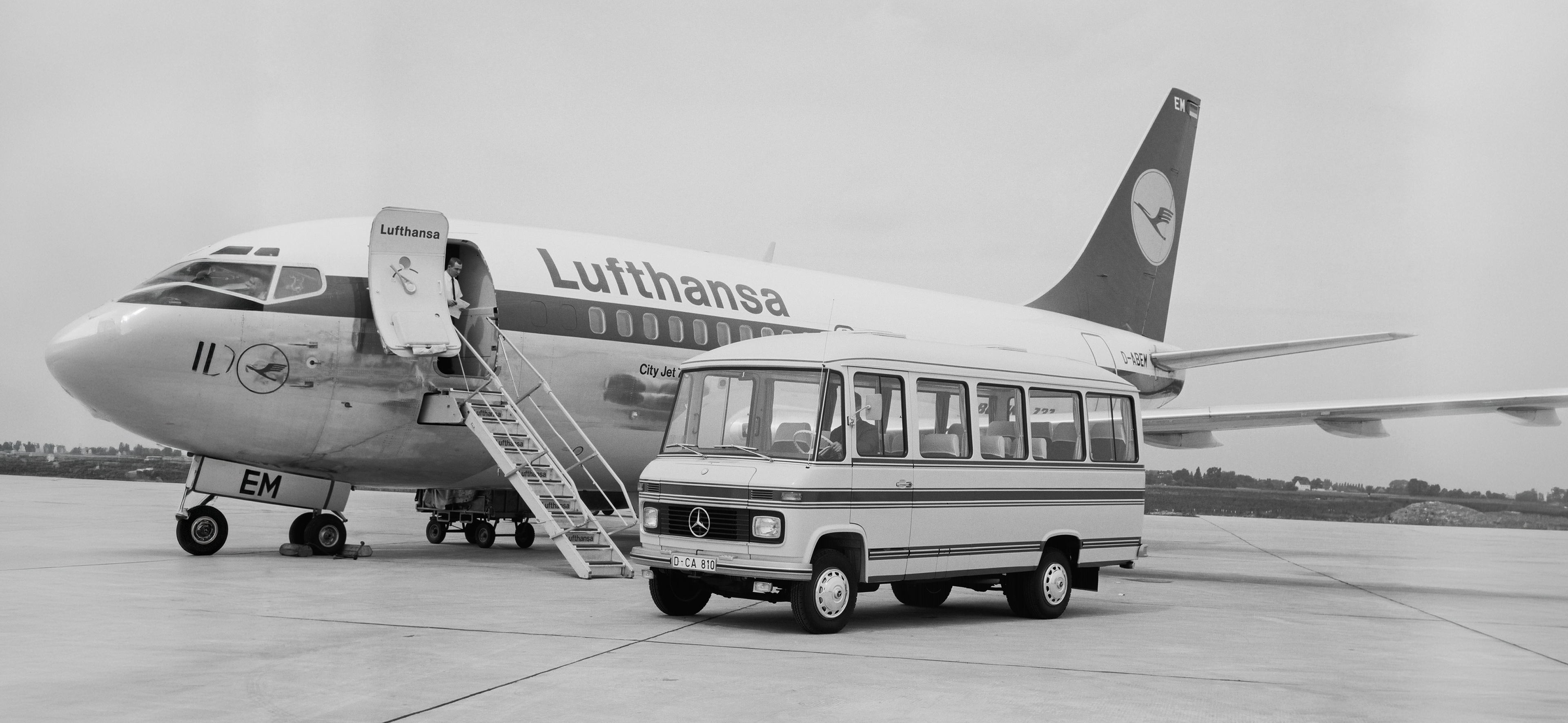
As motor transport became increasingly essential, Mercedes-Benz continued to innovate. During the 1930s, vehicles such as the L 1000 Express reflected a new generation of commercial transport, with greater payload capacity, improved reliability and enclosed cabins that made longer journeys more practical and comfortable. These vehicles helped businesses move goods further, faster and with the efficiency that a changing economy demanded.
In the decades that followed, Mercedes-Benz continued to redefine what a commercial vehicle could be. In 1955, the L 319 became the brand's first purpose-built light commercial vehicle, introducing greater versatility for the growing businesses helping to rebuild post-war Europe. As industries evolved, so too did the vehicles designed to support them.
Innovation never stood still.
In 1992, a fleet of battery-electric Mercedes-Benz MB 100 vans and minibuses transported athletes and officials around the Barcelona Olympic Games, demonstrating the potential of electric commercial vehicles decades before they entered the mainstream. More than 30 years later, that pioneering spirit lives on in today's eVito and eSprinter, helping businesses reduce tail pipe emissions without compromising capability.
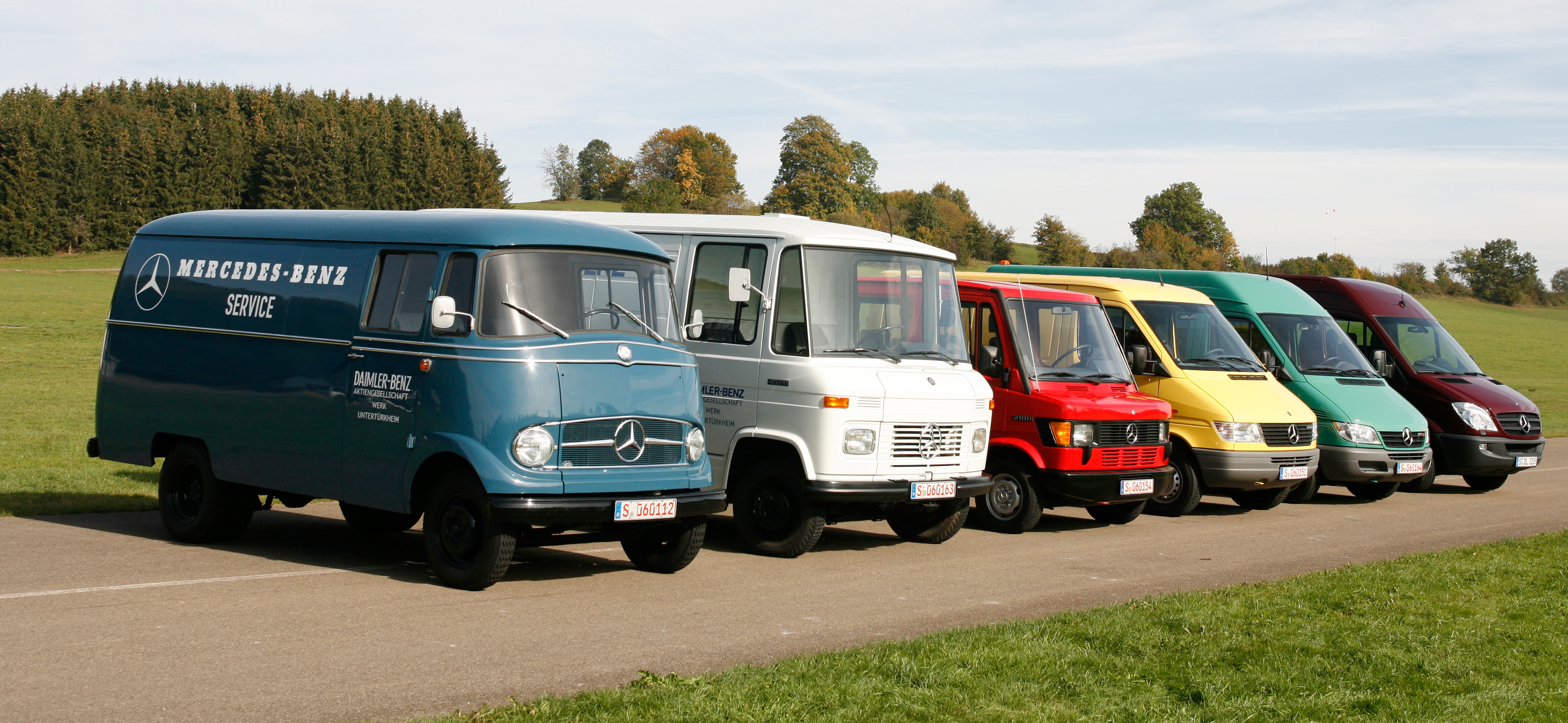
Three years later came another defining moment. The arrival of the Sprinter in 1995 transformed expectations of what a large van could be, combining generous load capacity with passenger-car comfort and setting the standard for an entire generation of commercial vehicles. Today, the Sprinter remains one of the world's most recognised vans, continually evolving to meet the changing needs of businesses.
Across every generation, Mercedes-Benz Vans has pursued the same goal: making work easier, safer and more efficient.
That commitment has driven decades of technical innovation. Anti-lock braking systems helped bring advanced braking technology to commercial vehicles, while Electronic Stability Program helped introduce passenger-car safety technology to the van segment. Adaptive driver assistance systems, Active Brake Assist, Blind Spot Assist and intelligent parking technologies have continued to raise the benchmark, helping protect everyone on the road. More recently, MBUX has brought intuitive voice control, intelligent navigation and seamless connectivity into the cabin.
For 130 years, we've backed business.
Throughout every innovation, one thing has remained constant, Mercedes-Benz has always designed its vans around the people who depend on them.
Mercedes-Benz Vans is proud to play a part in making that work possible. Today, that means developing vehicles that continue to meet the changing needs of drivers and businesses. It is a natural progression for a brand that has spent 130 years looking ahead. After more than a century of innovation, one thing remains unchanged, understanding that the true measure of a van isn't simply where it can go, but what it helps people achieve when they arrive.
Words by Doogie Chapman
Imagery courtesy of Mercedes-Benz Archives
;Resize=(828,828) "Want to be featured in Love Your Work?")
Want to be featured in Love Your Work?
Get in touch with us on Instagram.